.jpg)


























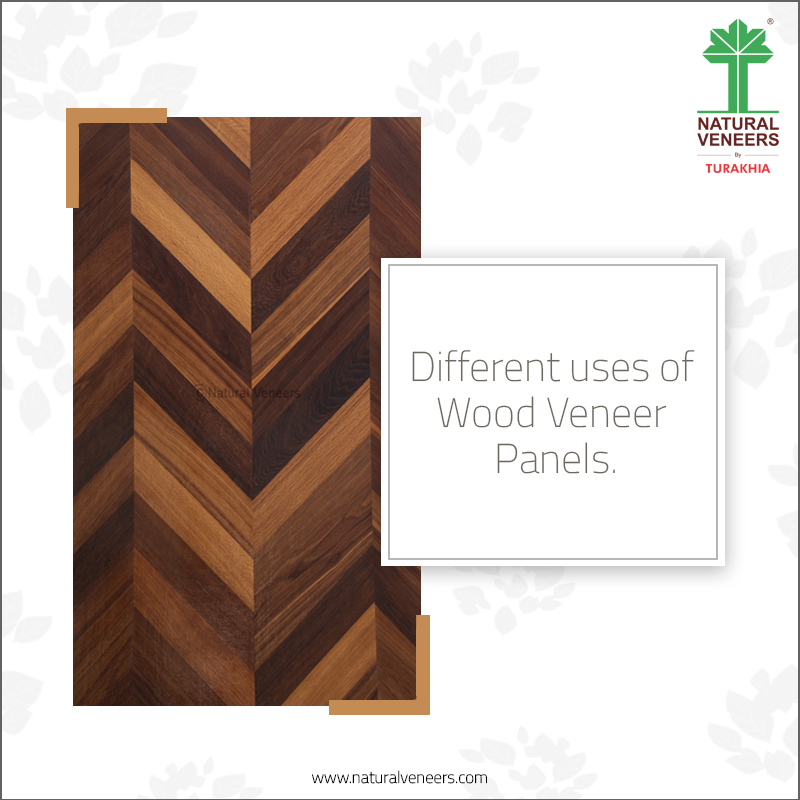
Wood Veneer Panels: Types, Uses, Benefits, and Interior Wall Applications
- June 28, 2019
- by
- Team Natural Veneers by Turakhia
Introduction to Natural Wood Surfaces in Modern Interiors
Natural materials continue to define premium interior spaces, and wood veneer panels have emerged as one of the most refined solutions for architects, designers, and developers seeking elegance without excess. By combining authentic wood aesthetics with engineered precision, veneer panels deliver warmth, texture, and timeless appeal while meeting contemporary performance expectations. Their adaptability across residential and commercial environments makes them a strategic choice for interiors that value both beauty and longevity.
What Are Wood Veneer Panels
Wood veneer panels are engineered surface panels created by bonding thin slices of natural wood veneer onto stable substrates such as plywood, MDF, particle board, or blockboard. This construction preserves the grain authenticity of real wood while minimizing material waste and enhancing performance. Veneer thickness typically ranges from 0.8 mm to 2.4 mm, allowing designers to achieve luxury finishes without excessive resource consumption.
Types of Wood Veneer Panels Used in Interiors
Natural Wood Veneer Panels
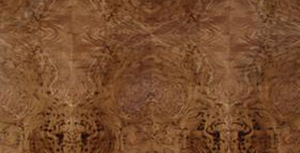
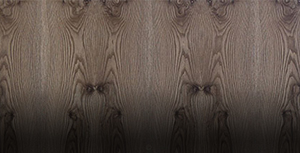
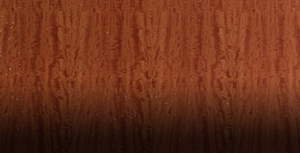
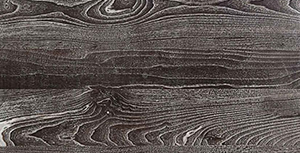
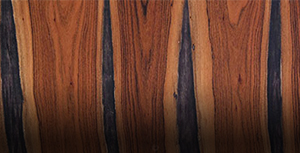
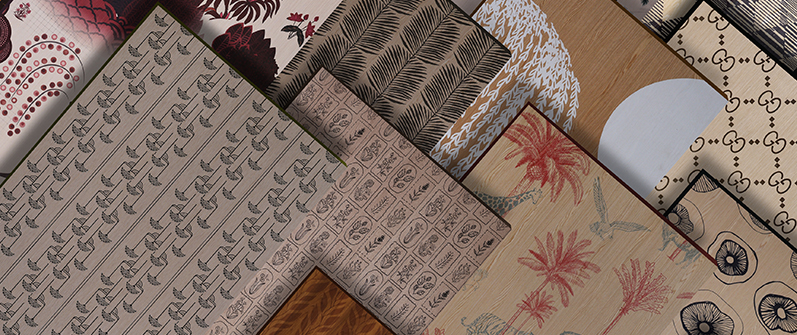
Natural veneer panels are produced from real timber logs, maintaining original grain patterns, knots, and tonal variations. Each panel is inherently unique, making it ideal for premium interiors where exclusivity and organic character are essential.
Key characteristics include:
- Authentic wood grain
- Warm natural tones
- High aesthetic value
Common species include oak, walnut, teak, ash, maple, and eucalyptus.
Dyed and Smoked Veneer Panels
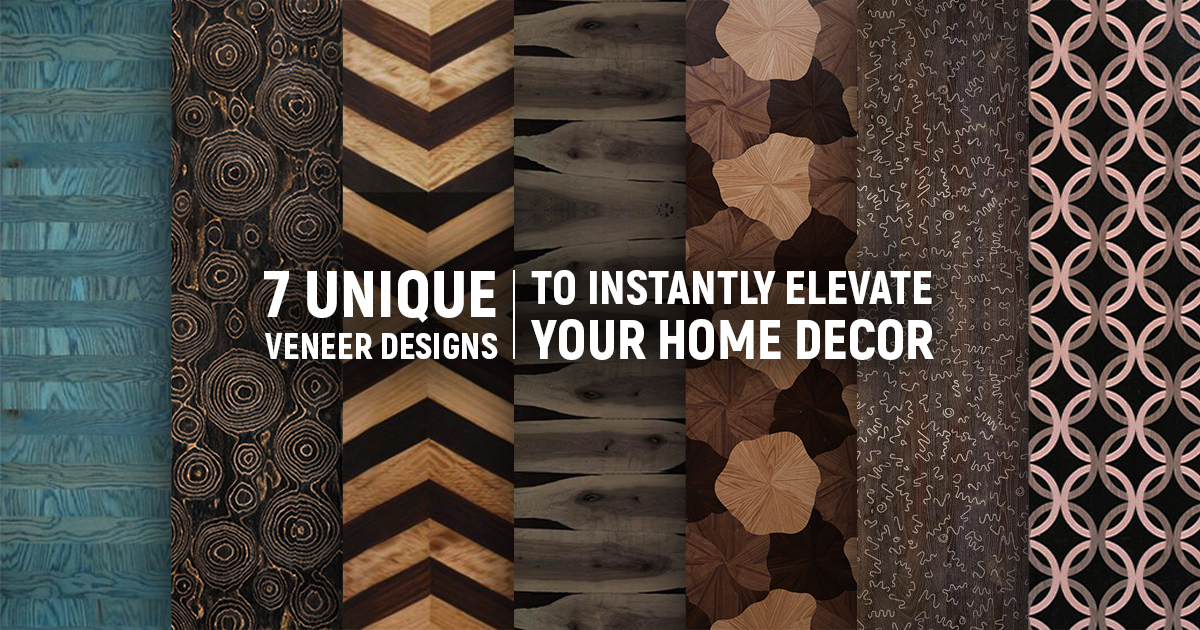
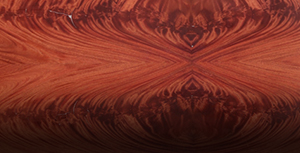
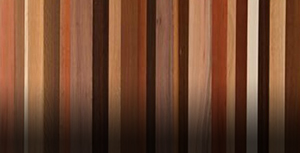
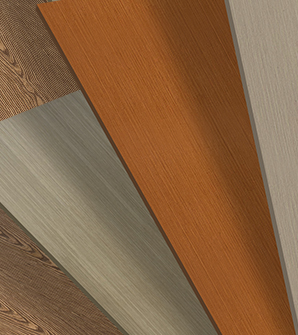
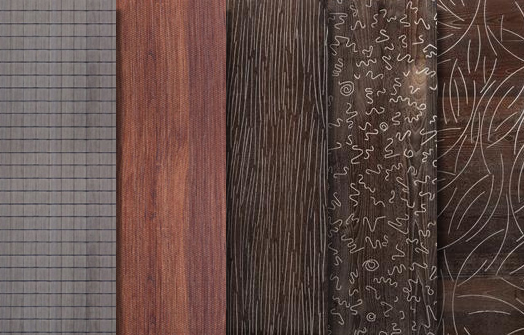
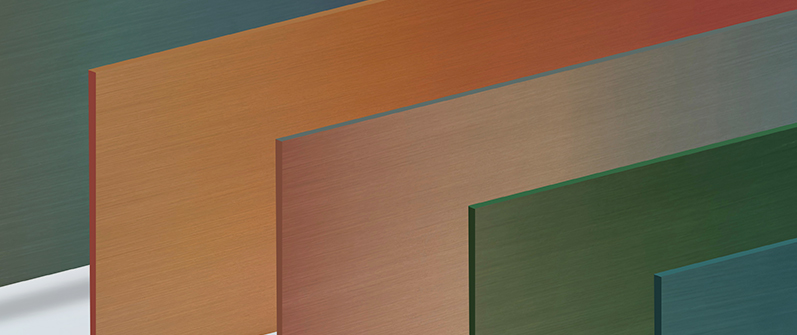
Dyed veneer panels introduce controlled pigmentation while retaining visible grain, enabling bold interior expressions. Smoked veneers, processed through ammonia fuming or thermal treatment, offer deeper, richer tones suitable for luxury spaces.
Textured and Fluted Veneer Panels
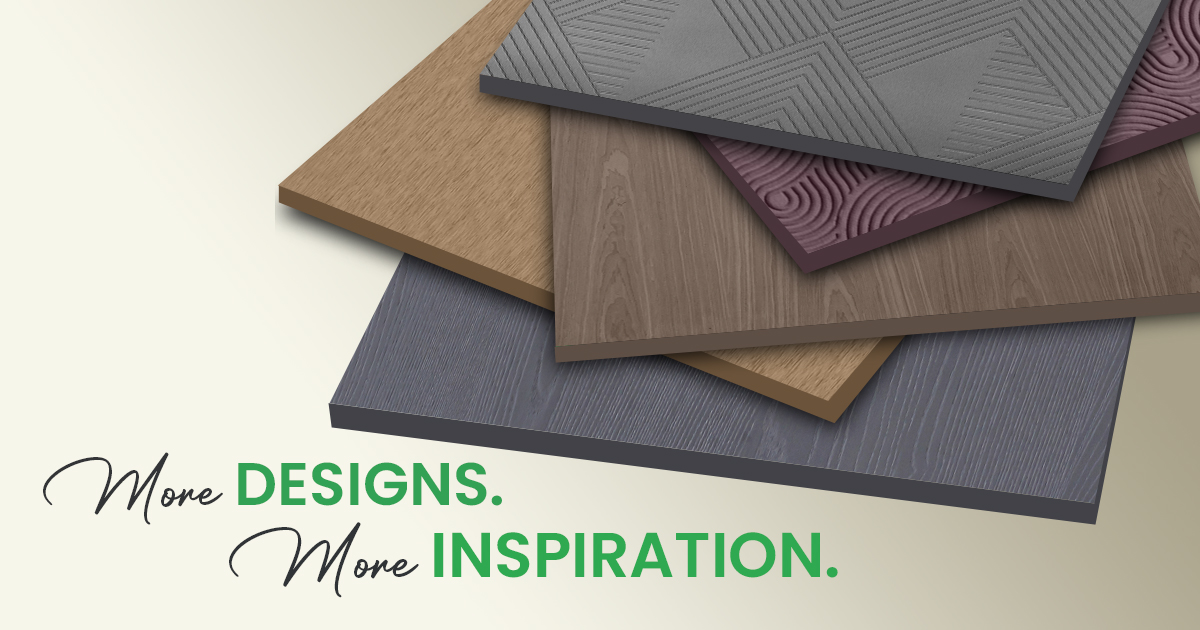
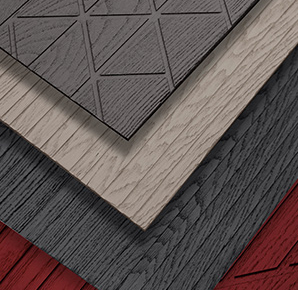
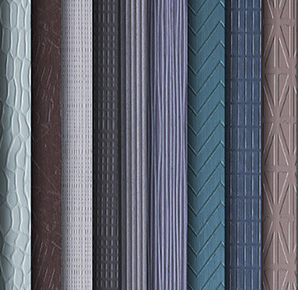
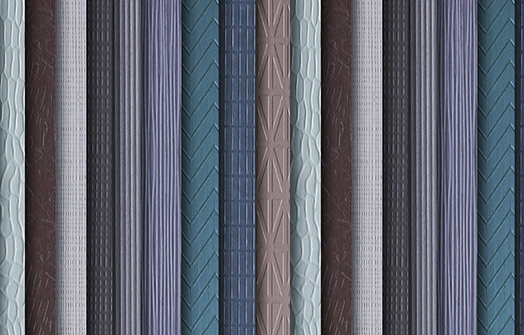
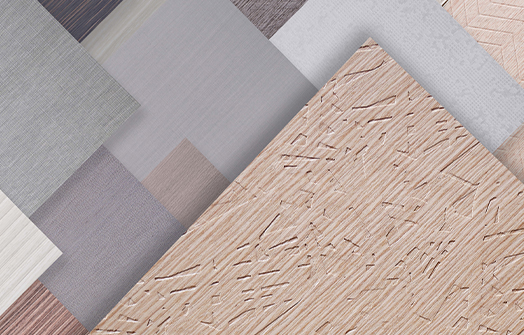
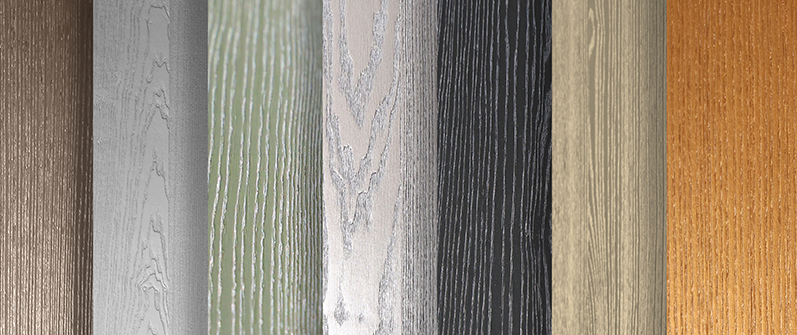
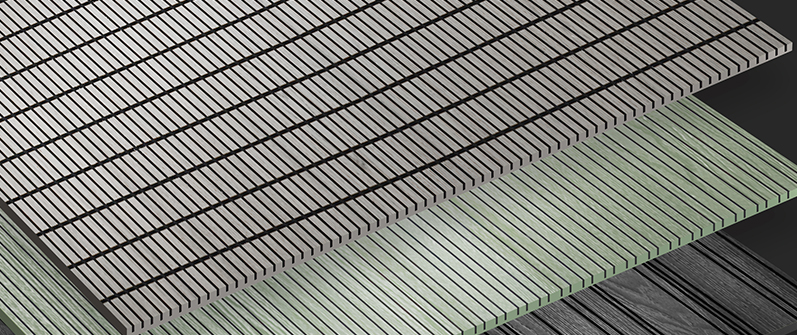
Textured veneer adds depth through brushing, wire-cutting, or sandblasting techniques. Fluted veneer panels, featuring linear grooves, create rhythmic wall surfaces with enhanced light-and-shadow effects, making them highly sought after in contemporary interiors.
Interior Wall Applications of Wood Veneer Panels
Living Room Feature Walls
Wood veneer panels transform living spaces into refined environments. Applied as accent walls, they create focal points behind sofas, television units, or fireplaces, offering warmth and sophistication.
Bedroom Wall Paneling
In bedrooms, veneer panels enhance comfort and elegance. Used behind headboards or across full wall elevations, they promote a calm, organic ambiance while supporting acoustic comfort.
Dining Area and Kitchen Walls
We utilize veneer panels to elevate dining spaces with natural textures. When treated with protective finishes, veneer panels perform effectively in controlled kitchen environments, complementing cabinetry and furniture.
Office and Commercial Interiors
Corporate offices benefit from veneer panels through improved aesthetics and acoustics. Boardrooms, reception areas, and executive cabins leverage veneer walls to communicate professionalism and refined brand identity.
Hotels, Retail, and Hospitality Spaces
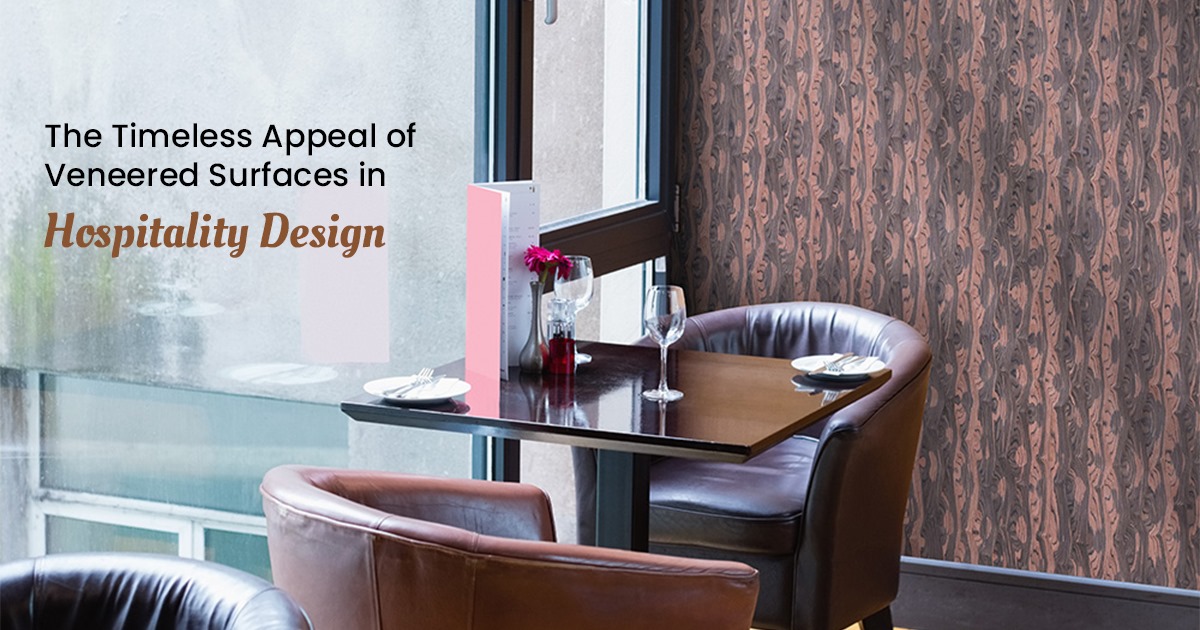
Luxury hotels, boutiques, and showrooms employ veneer panels for visual continuity and upscale ambiance. Veneer wall cladding enhances guest experiences while supporting durable, low-maintenance surfaces.
Design Versatility and Aesthetic Control
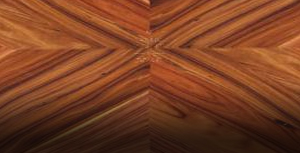
One of the defining strengths of veneer surfaces lies in their adaptability to diverse design narratives. From minimal contemporary spaces to richly layered classic interiors, veneer solutions support a wide spectrum of veneer paneling designs. Grain orientation, finish selection, and panel modulation allow designers to precisely control visual impact and spatial perception.
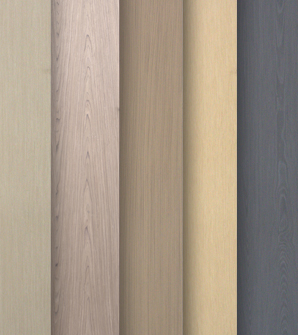
Matte finishes emphasize natural texture, while satin and gloss treatments introduce subtle sophistication. Dark-stained veneers convey gravitas, whereas lighter tones enhance openness and luminosity.
Functional Benefits Beyond Visual Appeal
Material Efficiency and Sustainability
Veneer manufacturing optimizes the use of natural timber resources, enabling broader coverage with minimal raw wood consumption. This efficiency aligns with responsible material sourcing and long-term sustainability goals.
Dimensional Stability
Unlike solid wood, veneer panels are engineered to resist warping and cracking. This stability ensures consistent performance across varying climatic conditions, particularly in controlled interior environments.
Ease of Installation and Maintenance
Precision fabrication allows for clean installation with minimal on-site adjustments. Finished veneer surfaces are also easy to maintain, requiring simple cleaning routines to preserve their appearance.
Wood Veneer Panels in Contemporary Wall Design
Interior walls increasingly serve as architectural canvases rather than passive boundaries. Wood veneer panels for walls respond to this shift by offering depth, warmth, and acoustic enhancement. In offices, they soften formal environments; in residences, they introduce comfort and refinement; in retail spaces, they elevate brand perception through material quality.
When thoughtfully detailed, veneer walls can subtly influence acoustics, improve spatial comfort, and reinforce the tactile experience of an interior.
Selecting the Right Veneer for Your Project
Successful specification depends on aligning veneer type, substrate, and finish with project intent. Designers evaluate grain character, color consistency, and durability requirements before final selection. For high-traffic areas, engineered veneers with protective coatings ensure longevity, while natural veneers suit feature applications where visual uniqueness is desired.
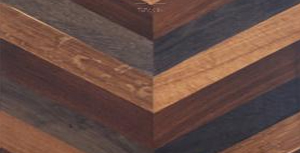
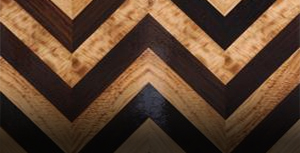
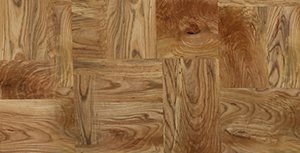
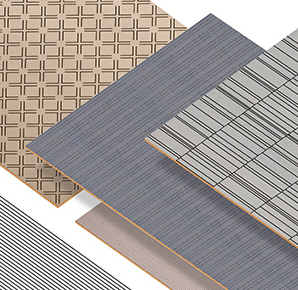
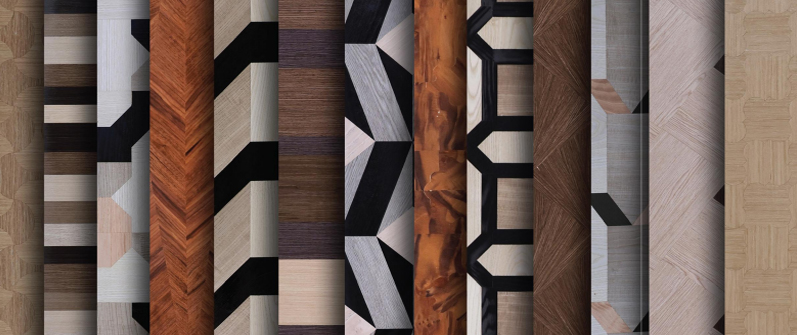
The growing demand for customized veneer paneling designs has also encouraged innovative formats, including mixed-grain compositions and geometric panel layouts.
Why Veneer Panels Continue to Lead Interior Trends
The enduring relevance of wood veneer panels lies in their ability to evolve with design sensibilities. As interiors move toward authenticity, sustainability, and material honesty, veneer solutions offer a refined balance between nature and innovation. Their compatibility with modern fabrication technologies ensures continued relevance in future-focused architecture.
From understated luxury residences to landmark commercial interiors, veneer panels remain a defining element of high-quality spatial design.
Conclusion
At Turakhia Overseas Pvt. Ltd. (Natural Veneers), we approach veneer craftsmanship with a deep understanding of material integrity and architectural purpose. Our commitment to precision manufacturing and refined aesthetics enables designers and developers to realize interiors that are both enduring and expressive. Through carefully curated veneer solutions, we continue to support spaces that value authenticity, performance, and timeless design.
You may also Like